 By Admin
Wollmatten are becoming one of the most trusted natural materials in 2025, especially for homeowners, gardeners, and creators looking for high-performance results without relying on synthetic products.
If you want a solution that improves insulation, regulates moisture, enhances comfort, and supports sustainable living, itoffer unmatched advantages right from the start.
In this guide, you’ll learn what wollmatten are, how they’re used, and why they are preferred over synthetic alternatives. This article covers applications, benefits, installation, prices, and expert insights.
These are thick, compressed wool mats used primarily for insulation, acoustic control, soil protection, crafting, and packing. They are produced from natural sheep wool which undergoes cleaning, carding, and felting processes to achieve a dense, breathable structure.
Personal Experience:
They are valued for their ability to regulate moisture, trap air efficiently, and remain biodegradable. This makes them a preferred material for homeowners, gardeners, DIY enthusiasts, and environmentally conscious consumers.
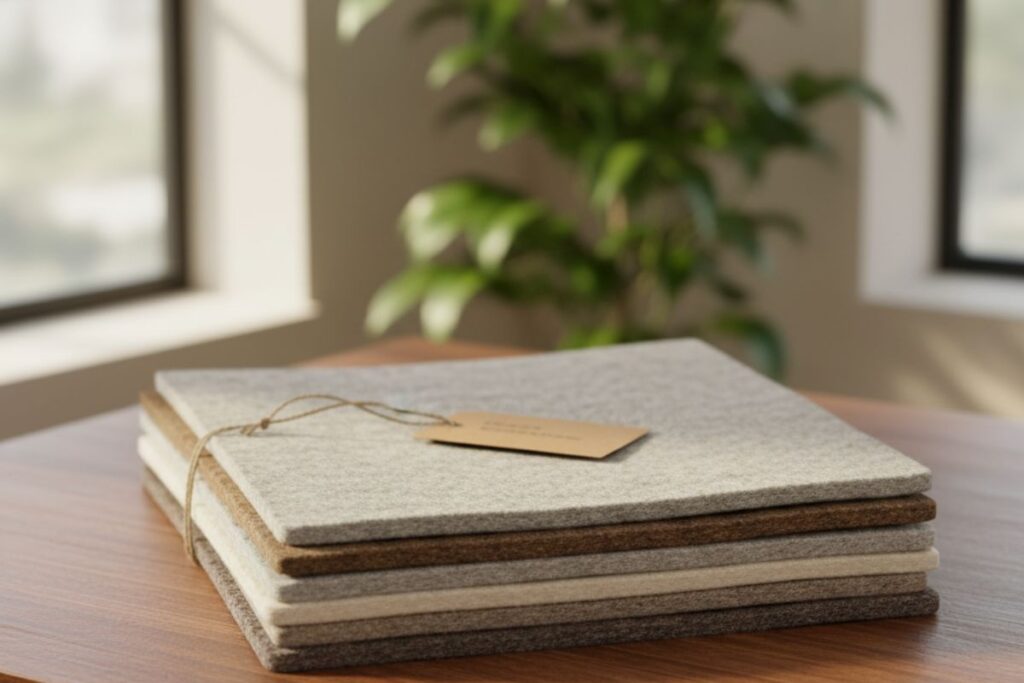
The shift toward clean building materials and sustainable design has made these mats a leading option. Consumers today want alternatives that perform well but are safe for the environment and human health. Natural wool fits these criteria perfectly.
It also avoid harmful chemicals found in synthetic insulation, making them ideal for allergy-sensitive individuals.
It combine several performance characteristics that make them versatile:
Wool traps heat naturally, offering strong thermal resistance that helps stabilise indoor temperatures.
Wool fibres absorb and release moisture without losing insulation quality, preventing mould growth.
Its dense fibres help reduce noise transmission, suitable for studios, offices, and homes.
When maintained properly, wollmatten can last over 20 years without degradation.
It serve different industries due to their adaptable properties.
They are used in walls, floors, ceilings, and roofs where natural insulation is required.
Gardeners use it for root protection, frost prevention, and soil stabilisation.
Artists use them for felting, padding, and textile crafts.
The shock-absorption quality makes them suitable for protecting fragile goods.
They are 100% biodegradable and emit fewer pollutants during production compared to foam or plastic-based materials. They also help reduce carbon footprint because wool is a renewable resource. Unlike synthetic mats, they don’t release microplastics into the environment.
Although production varies by manufacturer, the process typically includes:
Raw sheep wool is obtained from farms that follow humane shearing practices.
It is washed to remove lanolin, dirt, and oils.
Machines align fibres and compress them into dense mats of uniform thickness.
Mats are trimmed into panels or rolls depending on their use.
Below is a simplified installation process for home use:
- Measure the space where the mat will be installed.
- Cut the wollmatten to the required size using a utility knife.
- Place the mats tightly between wall studs or flooring cavities.
- Secure them using staples, netting, or wire mesh.
- Cover the area with drywall or flooring panels.
- Inspect for gaps and seal with natural wool scraps.
This process improves thermal and acoustic performance while maintaining air circulation.
It require minimal maintenance, but the following steps help extend their lifespan:
- Keep them dry during installation.
- Avoid prolonged exposure to water leaks.
- Check ventilation to prevent moisture buildup.
- Inspect annually for pests in older homes.
Regular inspection ensures the mats stay effective and safe.
Prices depend on thickness, density, and supplier. In 2025, average costs are:
- Standard insulation grade: moderate price range.
- Premium acoustic-grade mats: slightly higher.
- Garden wool mats: usually lower priced.
Costs are generally competitive with synthetic insulation but offer significantly better eco-friendly value.
They outperform synthetic materials in breathability, moisture regulation, natural fire resistance, and ecological impact. While synthetic mats may have a lower upfront cost, they often degrade faster and carry environmental drawbacks. Natural wool also improves indoor air quality thanks to its ability to neutralise pollutants.
When selecting wollmatten for home or garden use, consider:
Thicker mats are better for insulation, while thin mats suit crafting.
High density offers improved acoustic and structural support.
Different grades exist for construction, gardening, and packaging.
A homeowner renovating a 1960s property in 2024–2025 replaced all synthetic insulation with wollmatten. After installation, indoor temperatures stabilised, monthly energy costs dropped by roughly 15%, and humidity problems decreased significantly.
This example highlights the practical benefits of choosing natural wool over synthetic alternatives.
Wollmatten are available through:
- Eco-friendly construction suppliers
- Garden centres
- Online sustainability stores
- Local wool producers and cooperatives
Choose sellers with certifications verifying wool purity and ethical sourcing.
Wollmatten provide a natural, sustainable, and highly effective solution for insulation, gardening, packaging, and crafting. Their moisture-regulating, breathable, and acoustic properties make them ideal for a wide range of modern applications in 2025.
If you’re looking for an eco-friendly material that offers long-term performance, wollmatten remain one of the best choices today. Start exploring high-quality wool mats and upgrade your home or projects with confidence.
Yes, they are safe and free from harmful chemicals, making them suitable for families and allergy-sensitive individuals.
No, wool naturally resists mould when installed in well-ventilated areas.
Yes, Wool has natural fire-retardant properties and does not melt like synthetic materials.
Absolutely, they help prevent frost damage and stabilise soil effectively.
With proper installation, they can remain effective for 20 years or more.
Also Read:
Soutaipasu – Choose Soutaipasu